Teide National Park is one of Tenerife’s biggest highlights. Many visitors come with the same questions: Can I reach the peak? Do I need a permit? Should I take the cable car or hike? What routes exist? This guide puts everything in one place, step by step.
Teide Permit and Fee (2026)
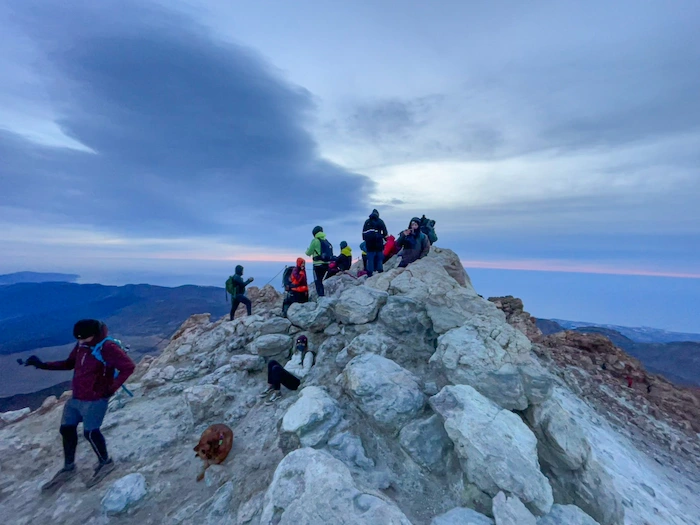
The highest point of Spain (3,715 m) can only be reached on foot, via the PNT 10 Telesforo Bravo trail.
- Permit required: Access is restricted. You must book in advance on Tenerife ON. Slots open every Monday at 7:00 (Canary time) for the following 28 days.
- Where it starts: From La Rambleta (3,550 m), the upper cable car station.
- Trail profile: Short but steep (gradients up to 60%), at high altitude. Take it slow and stop often.
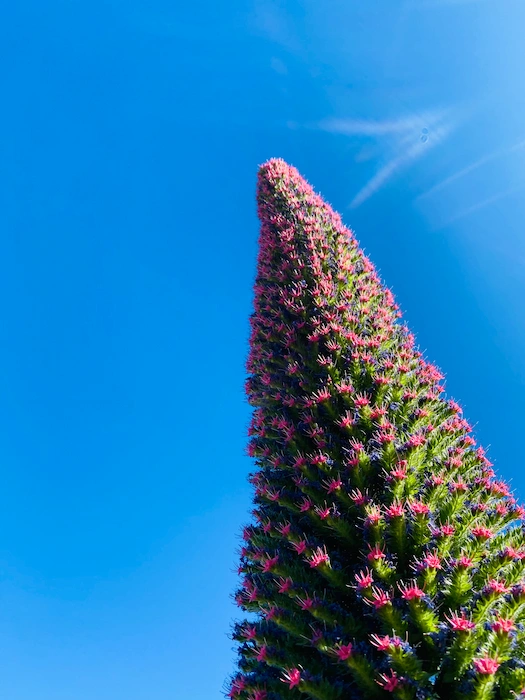
- What you see: Fumaroles, panoramic views of Tenerife and other islands, rare plants like the Teide edelweiss.
⚠️ Without this permit, you cannot go past La Rambleta.
From 2026, a fee (“ecotasa”) applies to the Teide summit trail (PNT 10 Telesforo Bravo) and also to Montaña Blanca – La Rambleta (PNT 7) and connecting routes to Pico Viejo.
The fee is paid directly when booking your permit on the Tenerife ON platform.
Prices:
- Residents of Tenerife: Free
- Other Canarian residents: €3–6 depending on trail/day, guided vs non-guided
Non-residents:
Summit trail: €10 with guide / €15 without
Montaña Blanca trail: €6 weekdays / €10 weekends & holidays
Children under 14: Free
How to Reach to the Summit of Teide | Teide Cable Car and Summit Access
To reach the peak of Teide you have to go to PNT 10 – but permit is required.
To get here there are several ways:
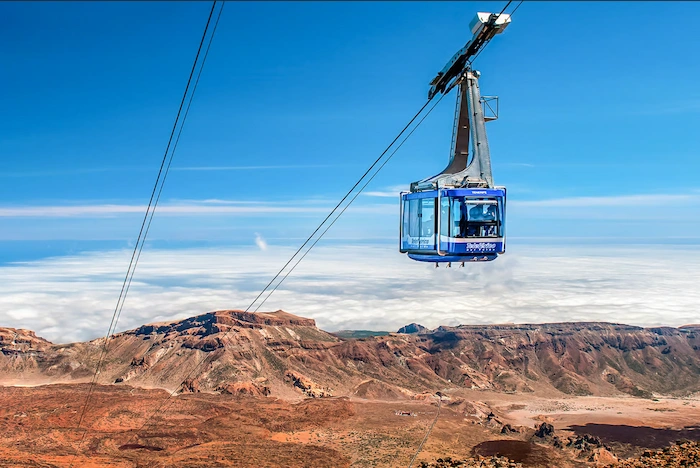
- Up & Down with Cable Car: The easiest option. The cable car takes you from 2,356 m (base station) to La Rambleta in 8 minutes. From here, you can visit nearby viewpoints without a permit:
- La Fortaleza viewpoint – northern views.
- Pico Viejo viewpoint – view of the 800 m crater and La Gomera.
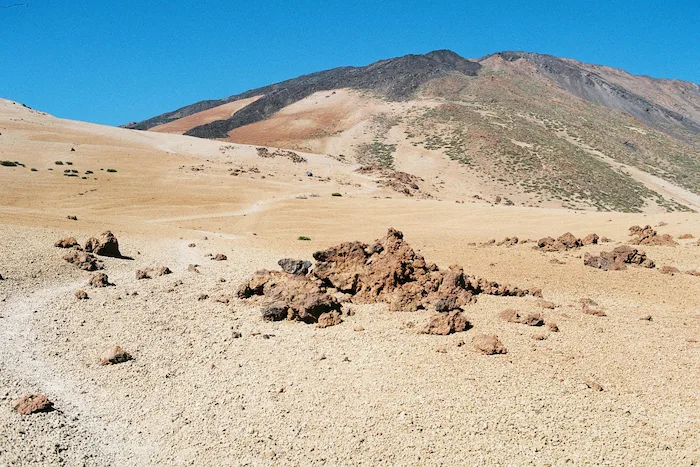
- Up by cable car, down on foot (Montaña Blanca): Popular among hikers. Combine the cable car with a descent via PNT 07 Montaña Blanca trail (permit required). This path passes the Altavista Refuge and volcanic formations like giant accretion balls.
- Up by cable car, down on foot (Pico Viejo): Another option is descending via PNT 09 Teide – Pico Viejo – Las Narices del Teide or via PNT 23 till Roques de Garcia (permit required). This long route takes you past the enormous Pico Viejo crater and down to the Roques de Garcia. It’s a demanding hike with loose lava sections but very scenic.
- Hike up, cable car down: Demanding, but rewarding. Do this if you go for the sunrise for exemple.
Teide Peak Hiking Options (Permit Required)
If you’re into hiking up or down Teide Peak you have the following options. For all the options you must request a permit in Tenerife On Website.

PNT 07 Montaña Blanca – La Rambleta
Starts at 2,300 m and climbs to the cable car station. Passes pumice fields, black lava flows, and eventually becomes barren rock. Very strenuous because of slope and altitude.
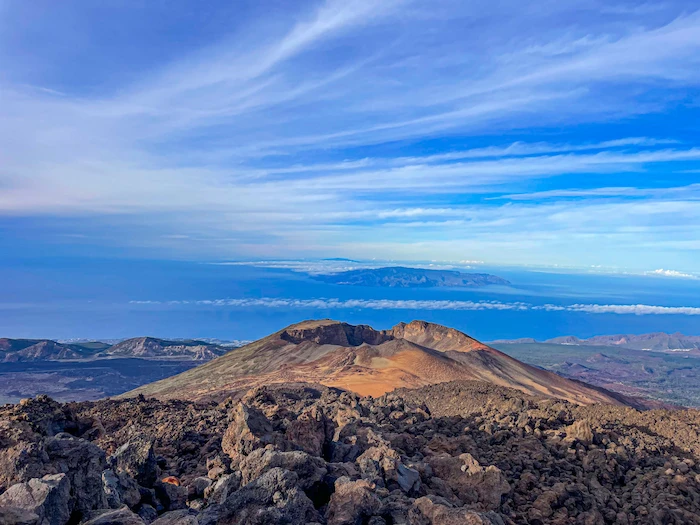
PNT 09 Teide – Pico Viejo – Las Narices del Teide
From the Pico Viejo viewpoint, the trail descends through dark lava, skirts Pico Viejo’s 800 m crater, and ends at Las Narices del Teide craters (eruption of 1798). Ends at TF-38 road.
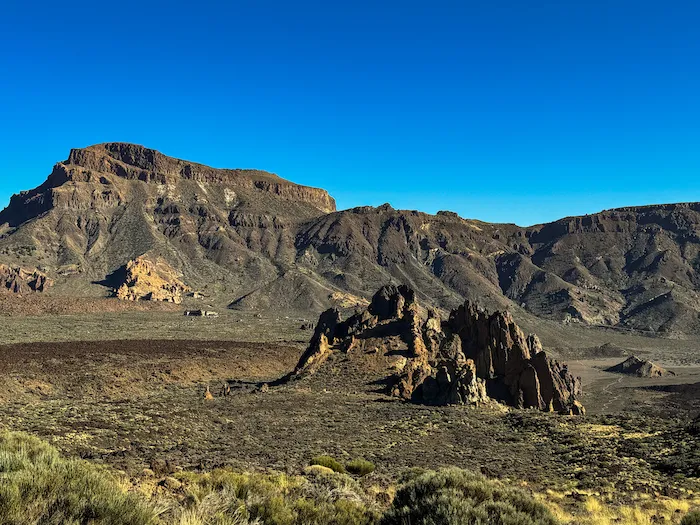
PNT 23 Los Regatones Negros
Starts in PNT 03 (Roques de Garcia) goes to Pico Viejo. Reaches over 3,000 m, with sections of loose rock and sharp lava. Good footwear required.
Essential Gear for the Teide Summit
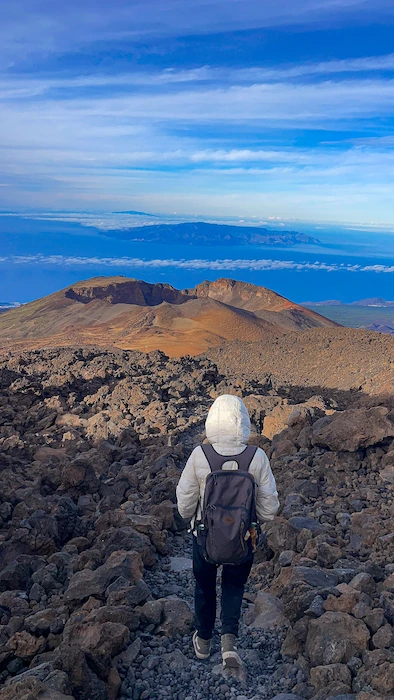
Access to high trails can be denied if you lack proper equipment. Essentials include:
- Clothing: Long trousers, fleece, winter hat/gloves (even in summer).
- Footwear: Trekking boots with grip and ankle support (no sneakers).
- Safety: Torch or headlamp + batteries, charged phone, emergency blanket
- Hydration & food: Enough water and snacks.
- Extras: Sunglasses, sunscreen, hat.
Tips Before You Go Up Mount Teide
- Check Tenerife ON: for trail status, and closures.
- Check the Weather conditions before you go
- Health check: Avoid high routes if you have heart, respiratory, or mobility issues.
- Respect the park: Stay on marked paths, don’t collect rocks or plants.
- Bring your permit and ID (printed or digital).
Visiting Teide can be simple or demanding, depending on how far you want to go. Some visitors just take the cable car and enjoy the views. Others book the summit permit and climb to Spain’s highest point.
Whatever option you choose, always check Tenerife ON before going — permits don’t guarantee access if the trail is closed for weather. Go prepared with the right gear, respect your limits, and remember that nature is not something to conquer, but a place to experience with care.
Please also help protect Teide’s fragile environment: stay on marked paths, take all your waste with you, and avoid picking plants or moving rocks. The volcanic landscape and rare high-altitude species survive only if visitors treat them with respect.
All the best places in one map – beaches, hikes, food, ocean pools, viewpoints, towns and more.
Save hours of searching and plan your trip in minutes.