Garachico: Visiting the Town
Garachico, once the most important port in Tenerife, played a key role in trade between Europe and the Spanish colonies in the Americas. Founded in the late 15th century by a Genevan banker, it became a prosperous hub for merchants and influential families. However, in 1706, the Trevejo volcano erupted, burying much of the town under lava and destroying its port.
Instead of being abandoned, Garachico was rebuilt from the ashes, preserving its 16th- and 17th-century architecture and earning recognition as one of Spain’s Most Beautiful Towns (“Pueblos Más Bonitos de España”). Today, it is a peaceful coastal destination known for its volcanic landscapes, historic charm, and natural pools. Declared a Cultural Heritage Site in 1994, the town is an open-air museum where every street reflects its rich past.
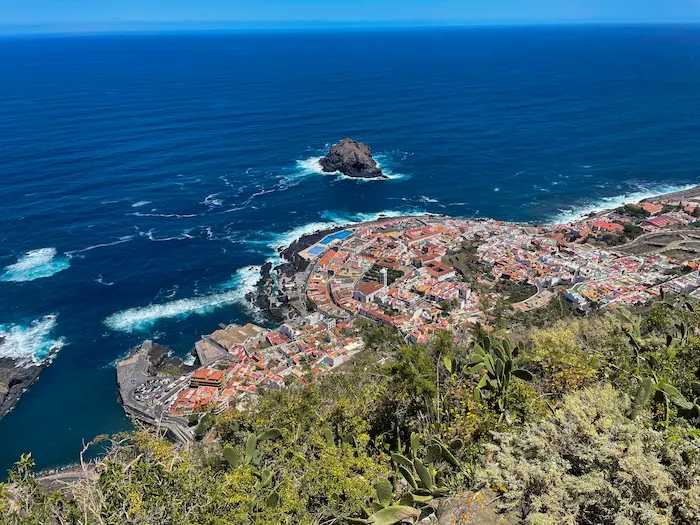
Located in northwest Tenerife, Garachico sits between black sand beaches, cliffs, and banana plantations. The town’s recently built marina adds a modern touch while maintaining its traditional character.
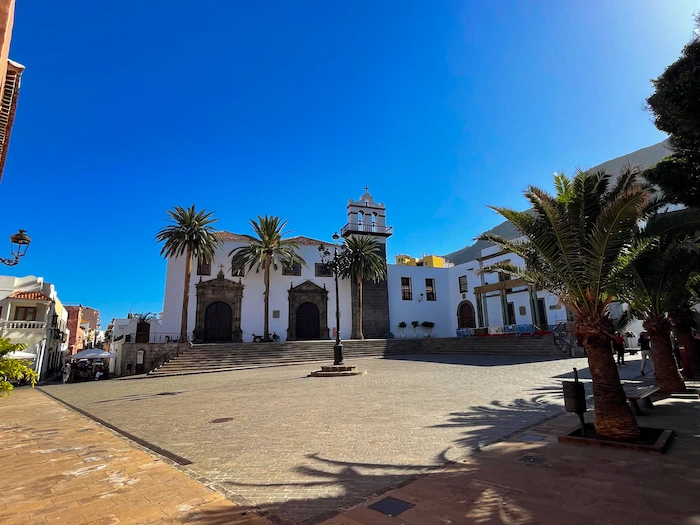
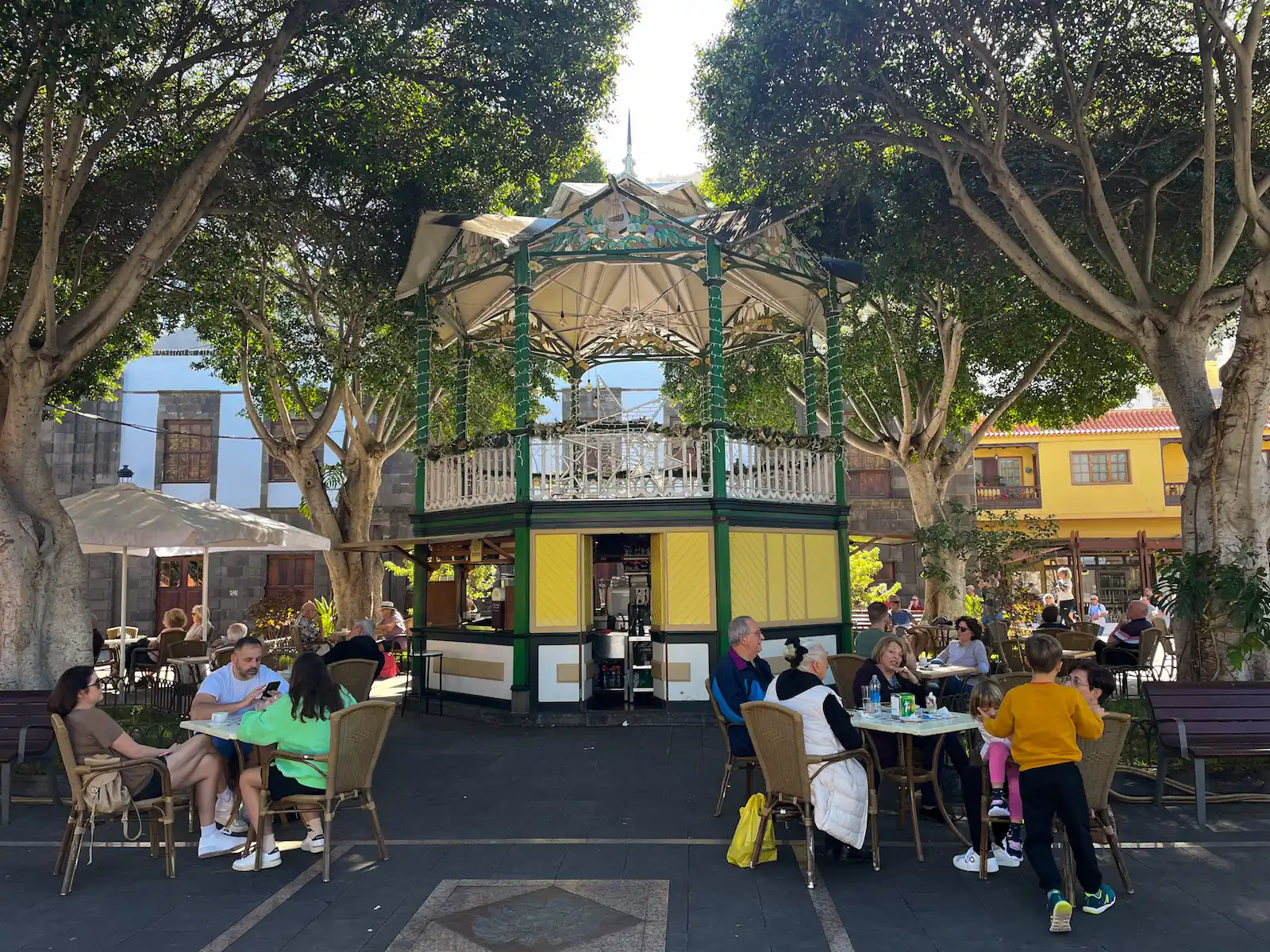
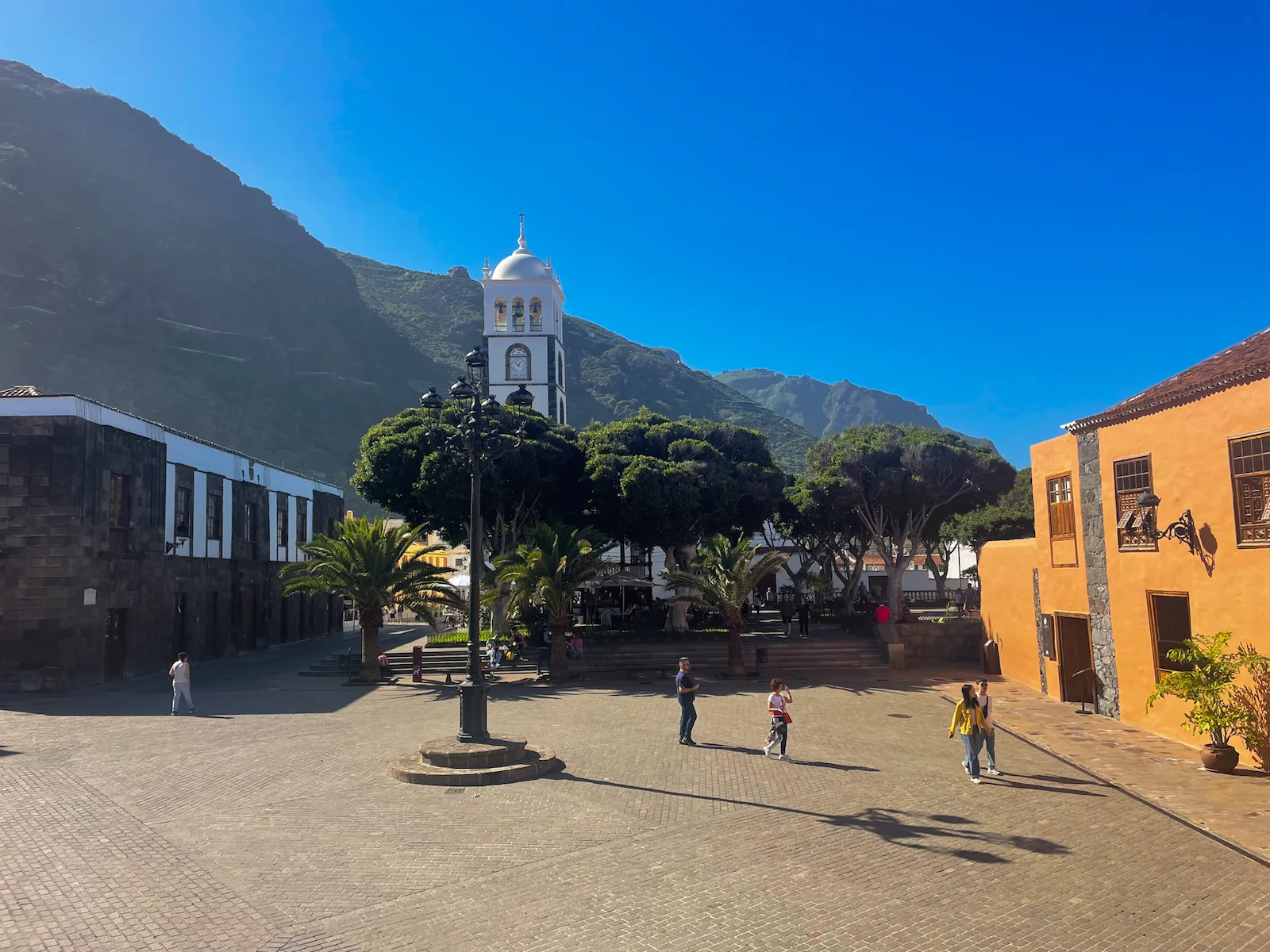
Plaza de La Libertad
The heart of Garachico — an elegant square surrounded by historic buildings like the Town Hall and the Church of Santa Ana.
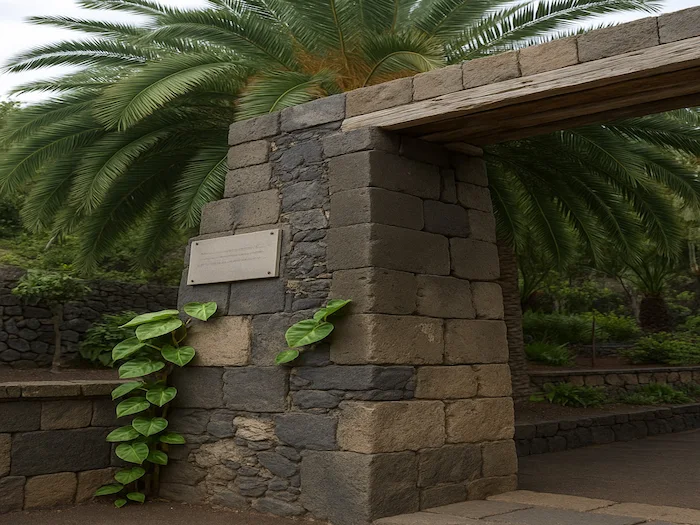
Puerta de Tierra
The stone gate that once marked the entrance to the old port.
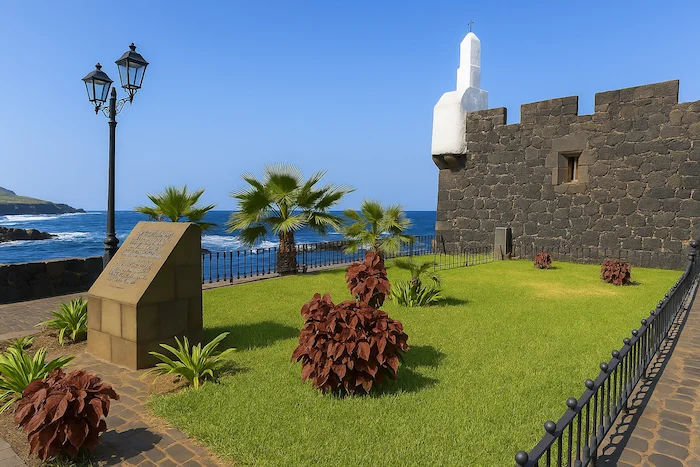
Castillo de San Miguel
A small 16th-century coastal fort built to defend the town from pirates.
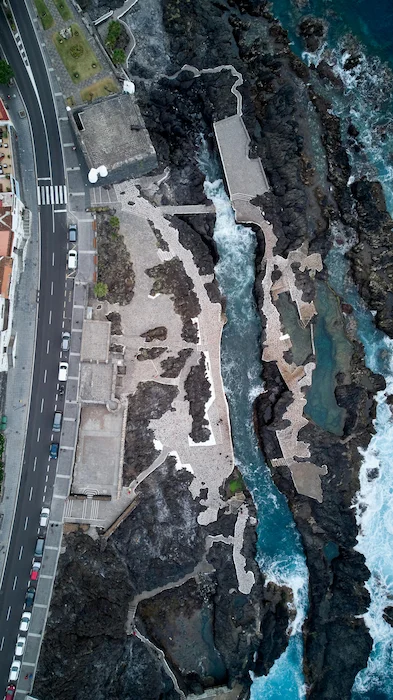
El Caletón Natural Pools
The most famous spot in Garachico — lava-formed pools perfect for swimming when the ocean is calm.
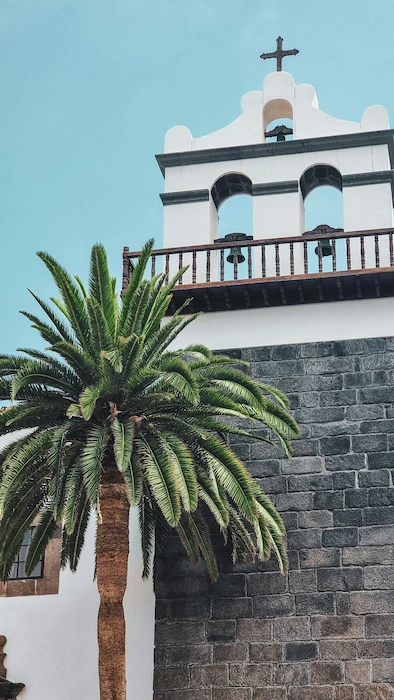
Convento de San Francisco & Casa de Piedra
The former convent is now a cultural center with exhibitions, while Casa de Piedra (“Stone House”) is one of the few buildings that survived the eruption.
Top Places to Visit in Garachico
We’ve created a self-guided map of Garachico to help you explore its best spots on foot. The top 5 places to visit in Garachico are marked in red, and other points of interest are in blue — from lava pools to historical buildings and quiet photo spots. Whether you’re here for an hour or a slow afternoon, this route helps you make the most of your time in Garachico.
Starting points are also marked. The parking lot (P) or the bus stop (in yellow).
Below you’ll also find a short description of each place to visit in Garachico.
Plaza de La Libertad
Garachico’s central square and the ideal place to begin your visit. It’s surrounded by elegant buildings like the Town Hall and Church of Santa Ana and Convent of San Francisco, shaded by trees, and lined with cafés.
Puerta de Tierra
A stone gate that once marked the original entrance to the port of Garachico. It’s now part of a small park with gardens, benches, and historic panels explaining the town’s past.
Castillo de San Miguel
A 16th-century fort built to defend the coast from pirates. Small but well-preserved, it now holds exhibitions and provides a great lookout point over the ocean and natural pools.
El Caletón Natural Pools
Lava-formed pools carved by the 1706 eruption. Ideal for swimming on calm days, with ladders, lifeguards, and flat rocks for sunbathing. One of Tenerife’s most unique ocean experiences.
Convento de San Francisco & Casa de Piedra
Two historical buildings side by side. The former convent is now a cultural space with exhibitions, and Casa de Piedra is a 17th-century mansion that survived the eruption.
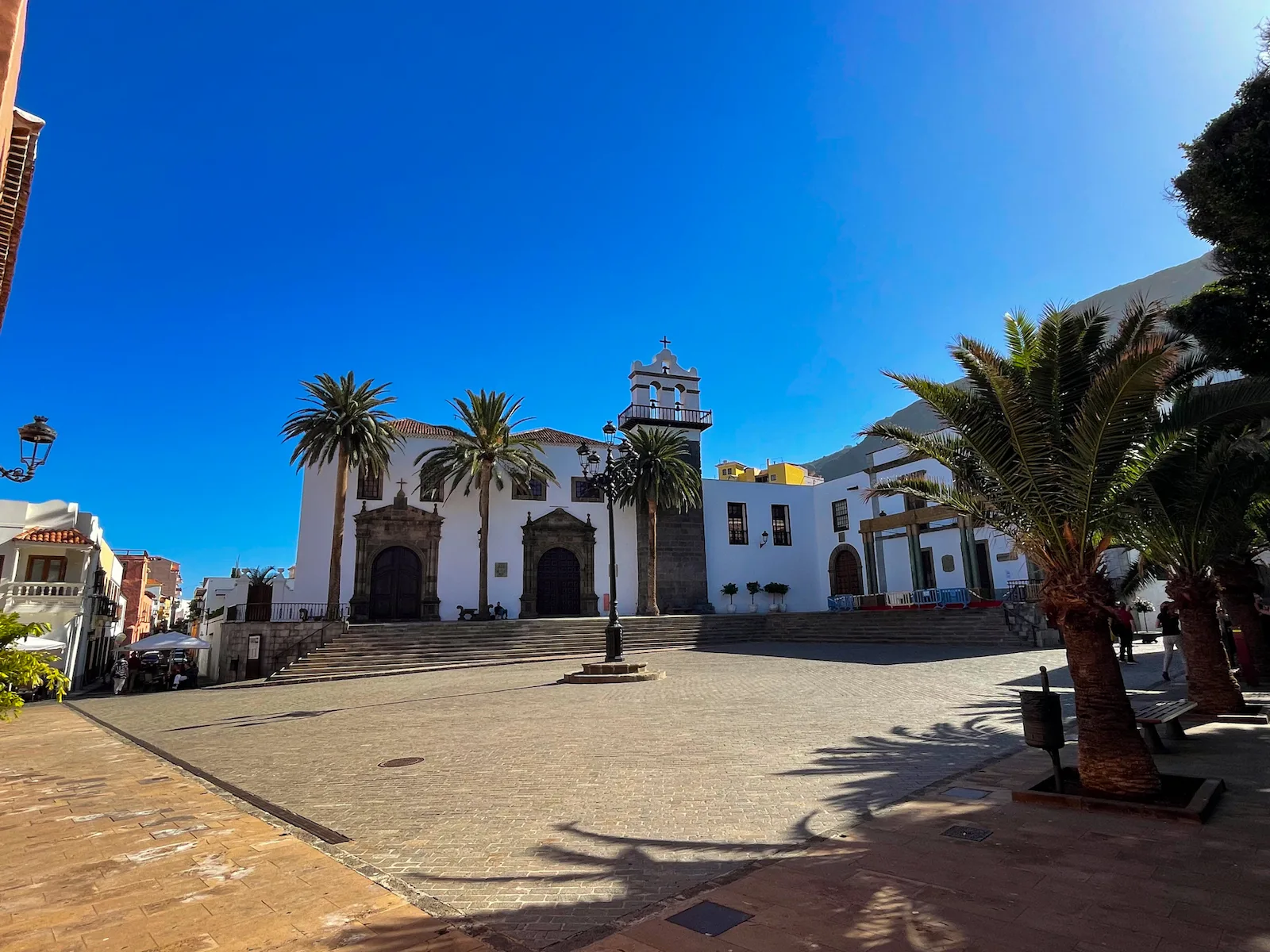
Iglesia de Santa Ana
Garachico’s main church, rebuilt after the lava flows destroyed the original. Its wooden ceilings, side chapels, and serene interior reflect both the town’s spiritual and architectural identity.
Monumento al Motín del Vino
A modern sculpture commemorating a historical protest by Garachico’s wine producers in the 17th century. It’s a nod to the town’s past as a major wine port and its rebellious spirit.
Ermita de San Roque
This small chapel sits at the town’s edge, associated with San Roque, Garachico’s patron saint. It plays a key role in the local Romería de San Roque, one of the most celebrated processions on the island.
Casa Palaciega de los Condes de La Gomera
An elegant palace built by nobility from La Gomera, showcasing traditional Canarian aristocratic architecture. It stands out with its carved balconies and detailed stonework.
How to Get to Garachico
By Car: is mainly accessible via the TF-42 road, which runs along the coast. Park here.
By Bus (Guagua):TITSA line 363 connects Garachico with Icod de los Vinos and Puerto de la Cruz. From Santa Cruz or the south, take a connecting bus to Icod and transfer there.

All the best places in one map – beaches, hikes, food, ocean pools, viewpoints, towns and more.
Save hours of searching and plan your trip in minutes.