San Cristóbal de La Laguna: Complete Guide to Tenerife’s Historic City
San Cristóbal de La Laguna, often called simply La Laguna, is Tenerife’s first capital and the only city in the Canary Islands designated as a UNESCO World Heritage Site. Founded in the 15th century, it was designed without defensive walls, following a grid layout that later inspired cities in Latin America.
Located in northern Tenerife, La Laguna is known for its colonial architecture, charming pedestrian streets, and vibrant cultural life. As a university city, it blends history with a youthful energy, making it a great place to explore local traditions, gastronomy, and lively cafés. Its well-preserved palaces, churches, and convents transport visitors back in time.
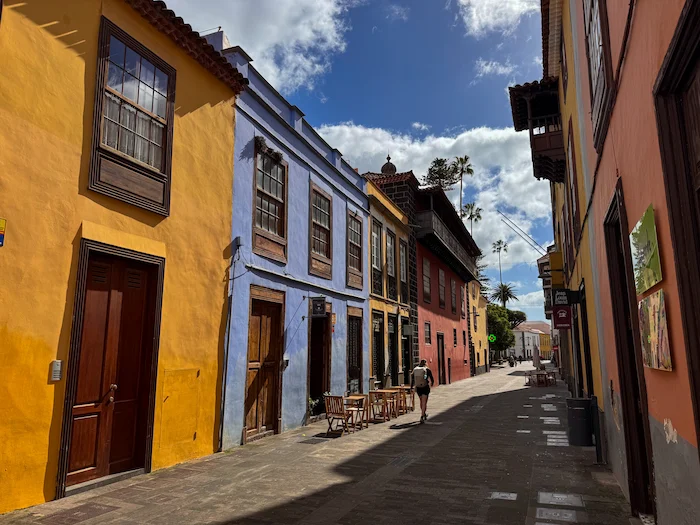
Calle Obispo Rey Redondo
The city’s main street, lined with colonial houses and key landmarks like the Cathedral and Casa de los Capitanes. A must-walk route through history.
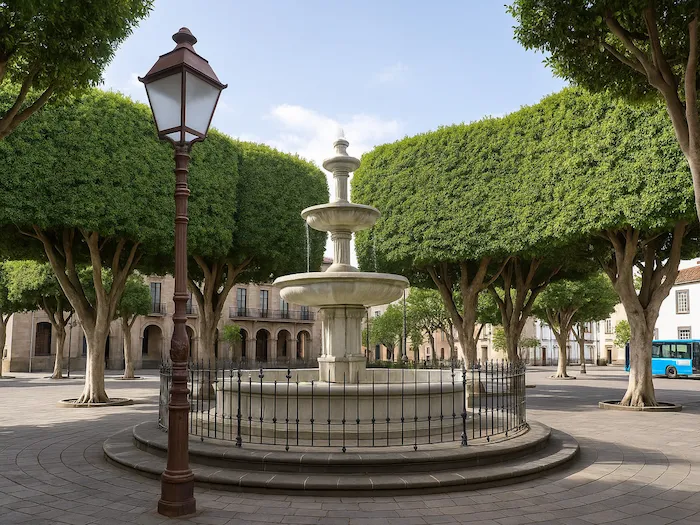
Plaza del Adelantado
A peaceful square surrounded by historic buildings like the Nava Palace and the City Hall. It captures the essence of La Laguna’s colonial layout.
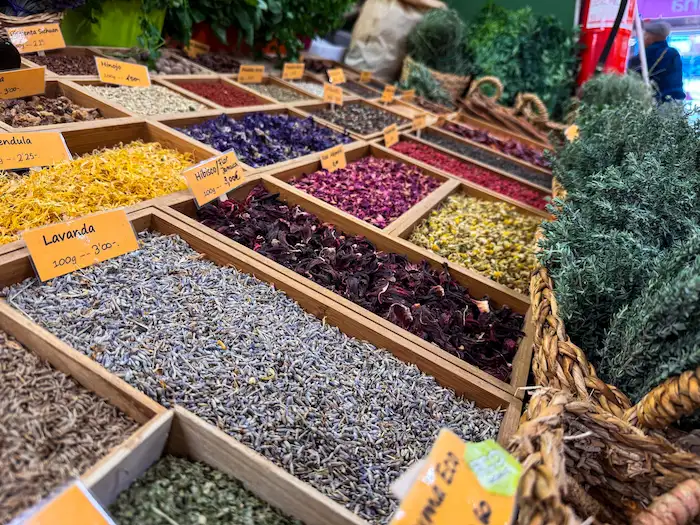
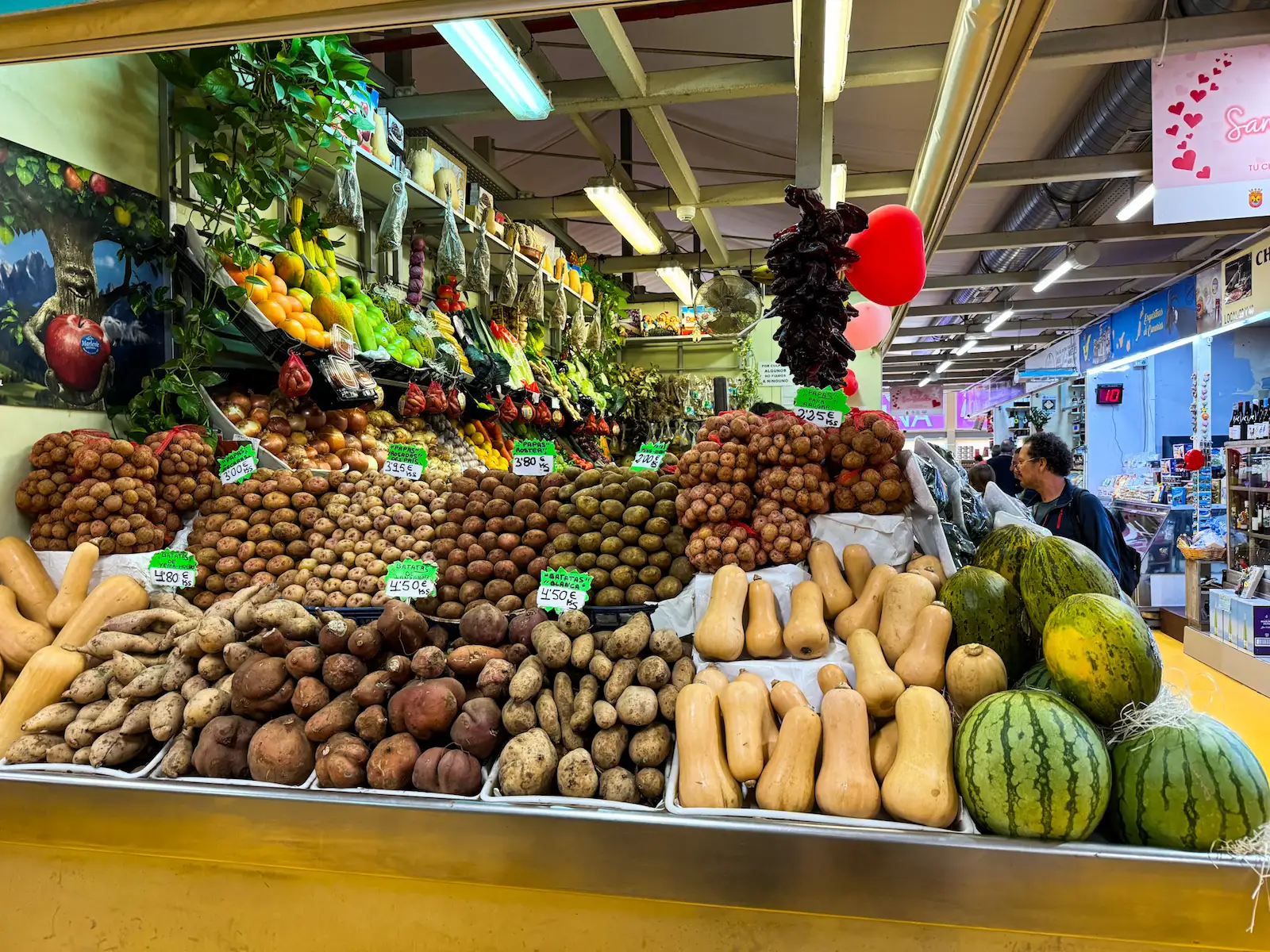
Market of La Laguna
A local food market full of character. Taste Canarian cheeses, fruits, and snacks — or visit the Farmers’ Market on Tuesdays, Thursdays, and Saturdays.
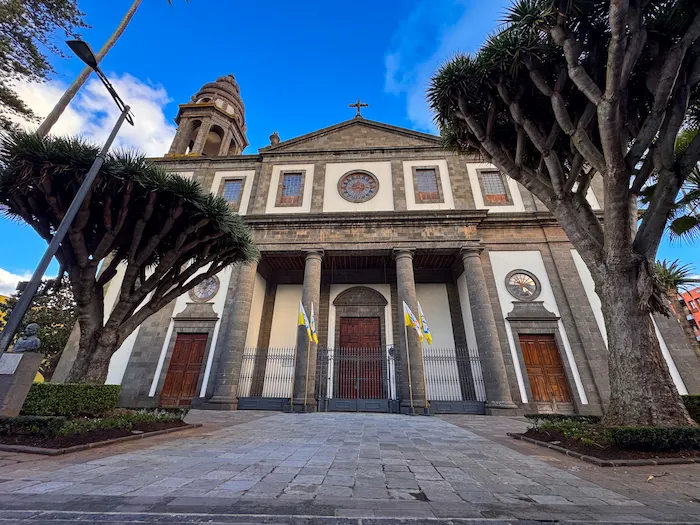
Iglesia de la Concepción & Plaza de la Concepción
The island’s oldest church, with a climbable bell tower. Outside, the plaza is always alive with energy, benches, and street performers.
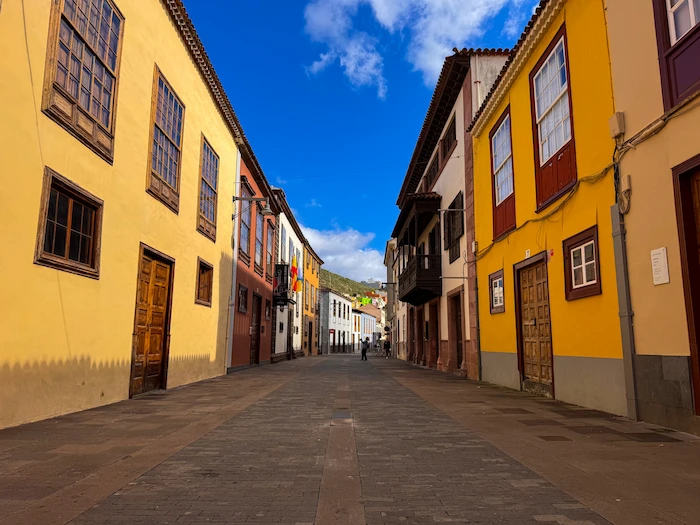
Calle San Agustín
One of the most elegant streets in La Laguna, known for its aristocratic mansions like Casa Salazar and the Museum of History.
Walking Route in San Cristóbal de La Laguna
We’ve designed a self-guided map for you to explore San Cristóbal de La Laguna step by step. It includes top highlights, historic buildings, lively streets, and local stops for food or coffee. Whether you have two hours or a full day, this route lets you uncover the best of La Laguna without needing a tour guide.
This map highlights the Top 5 must-see places in La Laguna that are in red and additional points of interest in blue—perfect for those who want to dive deeper into the town’s heritage, gardens, and hidden corners.
Starting points are also marked. The parking lot (P) or the bus stop (in yellow).
Whether you’re here for a quick visit or a slow stroll, this route helps you experience La Laguna at your own pace.
Below you’ll also find a short description of each place to visit in San Cristóbal de La Laguna.
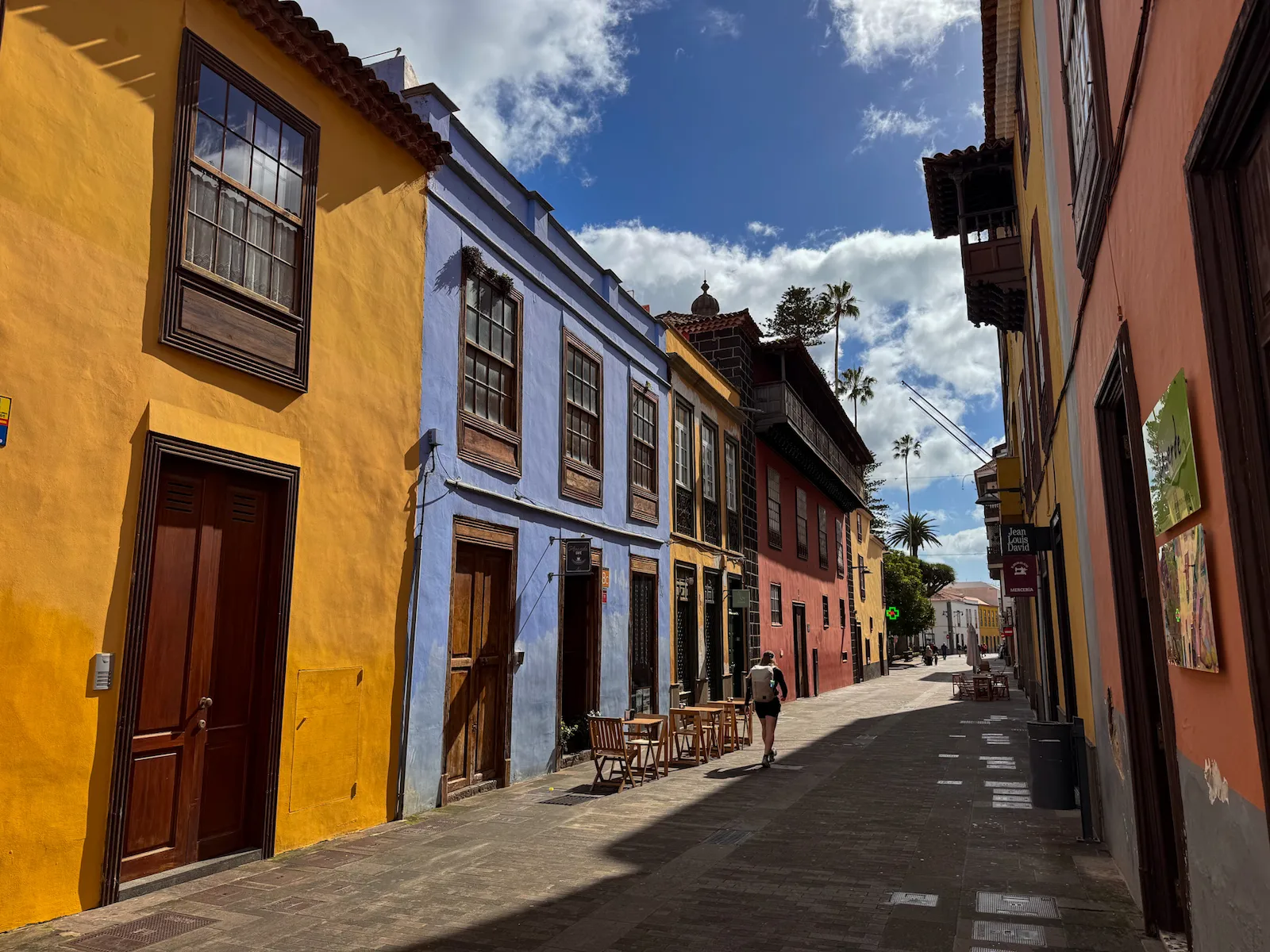
Calle Obispo Rey Redondo (Calle La Carrera)
This is the main axis of La Laguna’s historic center — a wide pedestrian street lined with elegant colonial façades and colorful mansions. It’s where visitors naturally start their walk through the old town.
Landmarks along the way:
-
Casa del Corregidor – a restored 16th-century building with a traditional wooden balcony.
-
Casa de los Capitanes – home to the Tourist Office and one of the city’s best-preserved courtyards.
-
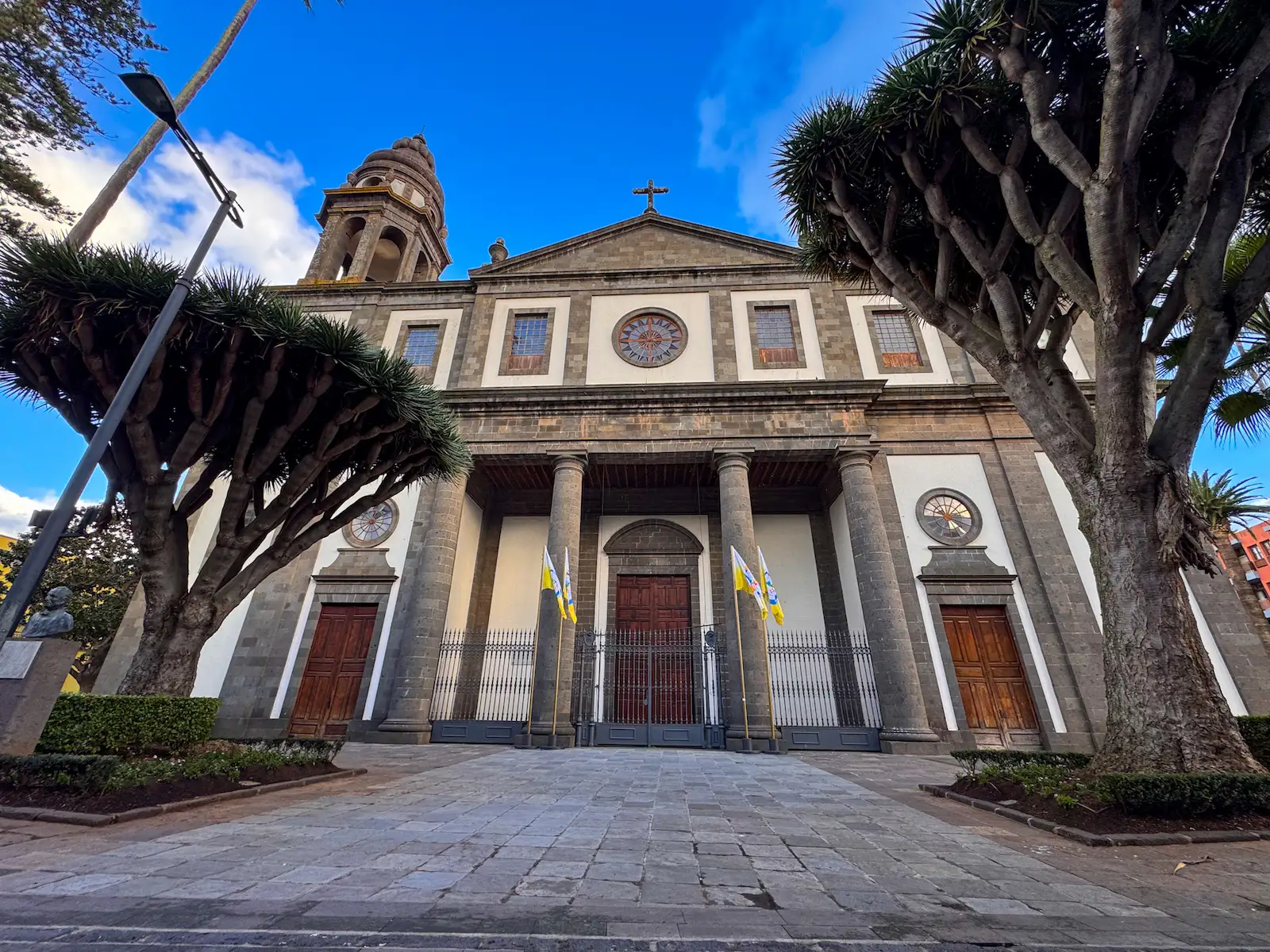
Cathedral of San Cristóbal de La Laguna – a neoclassical structure built over the original 16th-century parish. Inside, don’t miss the vaulted ceilings and religious art.
Plaza del Adelantado
Named after the Spanish conqueror of Tenerife, this square is one of the oldest in the city. It’s a peaceful place surrounded by some of La Laguna’s most important civic and religious buildings.
Notable buildings around the plaza:
-
Palacio de Nava – a 16th-century noble residence with a blend of Renaissance, Baroque, and Neoclassical styles.
-
Town Hall (Ayuntamiento) – still active today, showcasing historical Canarian architecture.
-
Chapel of San Miguel – built in 1506, it’s one of the city’s oldest chapels and part of its early spiritual heart.
Market of La Laguna
The traditional market is a must-visit for those wanting a taste of local life. You’ll find stalls full of tropical fruits, cheeses, pastries, and flowers — perfect for a light breakfast or snack.
Tip: Visit on Tuesdays, Thursdays, or Saturdays for the Farmers’ Market in nearby Plaza del Cristo, where locals sell their freshest island produce.
Iglesia de la Concepción & Plaza de la Concepción
This church is one of the oldest in the Canary Islands and was key in La Laguna’s spiritual life from the start. Its 28-meter bell tower offers panoramic views of the city and surrounding hills — a highlight for photographers.
Calle San Agustín
Perhaps the most aristocratic street in La Laguna, Calle San Agustín is lined with grand houses, each with its own story.
Key stops include:
-
Casa Lercaro – now the Museum of the History of Tenerife, offering a deep dive into the island’s past.
-
Casa Salazar – rebuilt after a fire, with its iconic carved stone façade and bishop’s residence.
-
Casa Saavedra – another impressive example of Canarian noble architecture with a quiet courtyard and preserved details
Teatro Leal
A beautifully restored Art Nouveau theatre that dates back to 1915. With its detailed interior, ornate balconies, and cultural programming, it’s worth a stop even if just to admire the architecture from outside.
Casa Riquel
A lesser-known 18th-century mansion with a striking entrance and typical Canarian wooden balconies. Not always open to the public, but a visual treat.
Casa Alvarado-Bracamonte (Casa de los Capitanes)
This 17th-century mansion has one of the best examples of a traditional Canarian courtyard. It also houses the city’s Tourist Office, making it a great place to start your visit.
Casa De La Alhóndiga
Once a vital civic building, the Alhóndiga helped support La Laguna’s poorest residents by lending wheat or offering subsidized bread during hard times. It also supplied seed grain to farmers and stored surplus harvests.
How to Get to La Laguna
By Car: La Laguna is easily accessible via the TF-5 highway, making it a quick drive from major locations. Park here.
By Bus (Guagua): From Santa Cruz: Bus 015 or 105 – about 20 minutes. Check Titsa Schedules.

All the best places in one map – beaches, hikes, food, ocean pools, viewpoints, towns and more.
Save hours of searching and plan your trip in minutes.
