TENERIFE
Digital Nomads & Coliving Life
2026 Updated
Tenerife has become one of Europe’s favorite destinations for digital nomads and remote workers. The island offers a mix of good weather all year, reliable internet, outdoor living, and a relaxed pace of life that makes it easy to balance work and free time.
Tenerife has something for every kind of traveler looking to stay longer.
This guide covers everything you need to know before coming to make the most of your time working remotely on the island.
Before Coming to Tenerife
Internet & Connectivity
Tenerife has strong internet coverage across the island, including 4G and 5G in most towns. Coworking spaces, cafés, and many apartments offer stable Wi-Fi, but speed can vary in rural or mountain areas.
If you’re coming from outside Europe, it’s often cheaper and more convenient to buy a local SIM card once you arrive. Vodafone offers the best balance between coverage and price, and you can easily find their shops in larger towns like Los Cristianos, Costa Adeje, or Santa Cruz.
For short stays, eSIMs can also be a good option, but if you plan to stay for several weeks or months, a local SIM is usually more reliable.
Visas and Length of Stay
If you’re an EU citizen, you can legally stay in Spain for up to 90 days (3 months) without registering. After that, you’d need to leave the country and re-enter, or apply for a residence or digital nomad visa if you plan to stay longer.
For non-EU visitors, make sure to check the validity of your ETIAS or Schengen visa before arrival. Most nationalities can stay up to 90 days within a 180-day period.
If you plan to make Tenerife your long-term base, Spain’s Digital Nomad Visa could be worth exploring — it allows remote workers to live and work legally in the country for up to five years.
Safety and Healthcare
Tenerife is one of the safest destinations in Europe, with low crime rates and excellent healthcare facilities. Both public and private hospitals are available in major towns.
However, we recommend having travel insurance before you arrive.
One provider we can confidently recommend is SafetyWing. It’s built specifically for digital nomads, so it’s flexible (you can even sign up after you’ve already left home) and covers many common activities like hiking or surfing.
Why Tenerife Works for Remote Workers
Climate and Year-Round Lifestyle
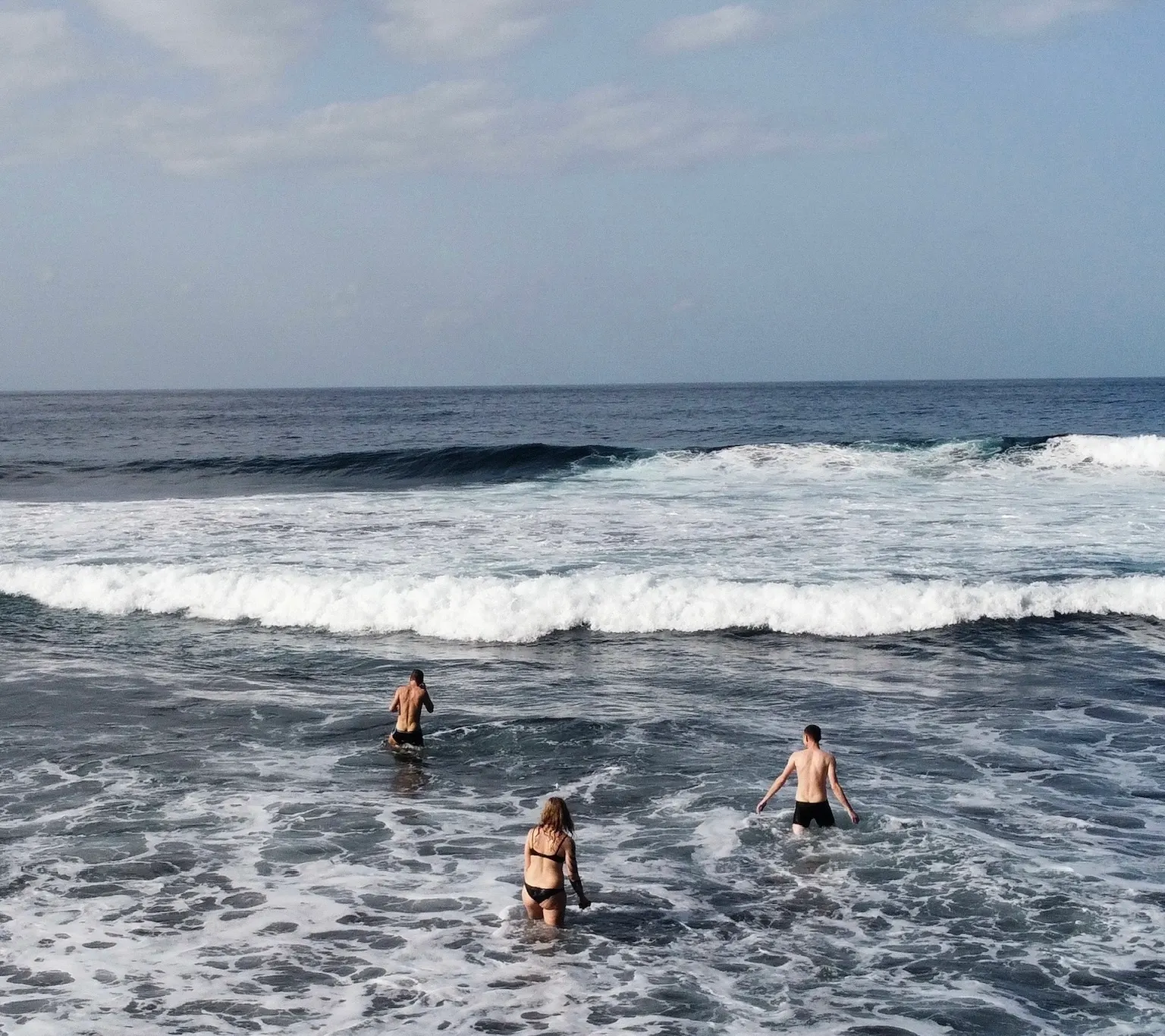
Tenerife’s climate is one of its main advantages — warm and pleasant throughout the year. You can swim, surf, or hike even in winter, and the island’s microclimates mean you can always find sunshine somewhere.
For detailed monthly weather information, check our full guide: Weather in Tenerife →
Outdoor Activities, Healthy Living and Parties
Tenerife is built for an active lifestyle. In your free time, you can:
Surf or kitesurf along the south and north coasts
Hike trails like Roques de García, Anaga, or Chinyero
Climb, cycle, or dive in natural reserves
Practice yoga or run by the sea
Find a party – in Tenerife this will be the easiest thing to do. There’s always something happening year round.
It’s easy to stay fit and social here — many locals and visitors share the same balance of work and outdoor life. You can find more information on Things To Do →
Island Infrastructure
The island is well connected with public buses (TITSA) and good road networks, so even without a car you can move between towns.
You’ll find coworking spaces, local cafés with good Wi-Fi, and plenty of rental apartments suitable for longer stays. Tenerife South Airport connects directly to major European cities, and the North Airport serves domestic and island flights.
Another advantage of being based here is the easy access to other Canary Islands. Regular ferries and short flights connect Tenerife to La Gomera, La Palma, Gran Canaria, and El Hierro, making weekend trips simple and affordable.


Where to Stay as a Digital Nomad
Cost of Living in Tenerife
Living in Tenerife is generally more affordable than most of Western Europe. Food, rent, and leisure costs are moderate, especially outside tourist zones.
For detailed breakdowns and monthly estimates, see our guide: Cost of Living in Tenerife →
Coliving in the South
The south is the warmest and sunniest part of Tenerife, with a well-established international community.
El Médano is often considered the heart of the nomad scene. It’s a small town with a relaxed surf vibe, good cafés, and coworking options. It’s social but not crowded — you’ll meet people easily without the rush of resort life.
Costa Adeje or Las Americas are busier but have plenty of short-term rentals, coworking spaces, and services. They’re convenient if you prefer more comfort, beaches, and easy access to everything. Also better if you’re into surfing daily.
Coliving in the North
The north offers a different rhythm — greener landscapes, local life, and a slower pace.
Puerto de la Cruz has a growing digital nomad community, good surf at Martiánez, and more affordable apartments. La Orotava and La Laguna attract creative professionals who appreciate heritage, nature, and culture.
You’ll trade a bit of sunshine for authenticity — but many prefer it that way. The north feels more “real Tenerife,” where life follows a calmer rhythm.
Recap: Living and Working in Tenerife
Is Tenerife a Good Base for Remote Work?
Yes — and it’s only getting better. With stable internet, year-round warmth, outdoor lifestyle, and a friendly international community, Tenerife offers one of the best quality-of-life balances in Europe for digital nomads.
Final Tips Before You Come
Bring light clothes if you’re planning to stay mostly in the south, but also a jacket.
If you’re planning to travel around or hike Mount Teide, check our page for what to bring →Consider renting a car for weekend trips to more remote places — find deals from €5/day.
Learn a few Spanish phrases — locals appreciate it.
Be respectful of nature and local communities.
Stay flexible — island life moves at its own pace.

All the best places in one map – beaches, hikes, food, ocean pools, viewpoints, towns and more.
Save hours of searching and plan your trip in minutes.